
Choosing The Right Thread
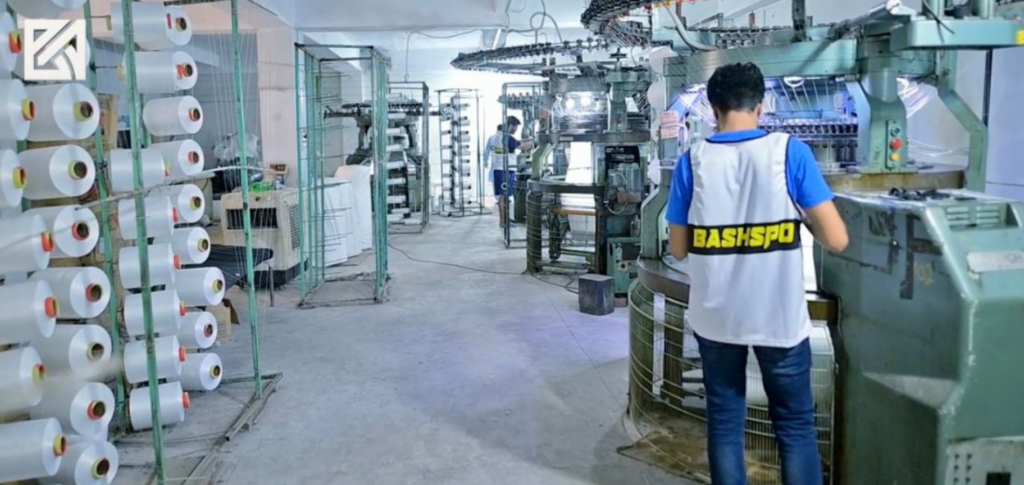
The journey to creating a stunning Bashpo garment begins with selecting the right thread. The choice of thread is fundamental, as it influences not only the durability and strength of the garment but also its appearance.
A strong, high-quality thread ensures that the fabric will hold together, withstand wear, and maintain its integrity over time. Threads come in various thicknesses and materials, and selecting the appropriate one for the type of fabric being used is crucial for both comfort and longevity.
Adjusting The Thread
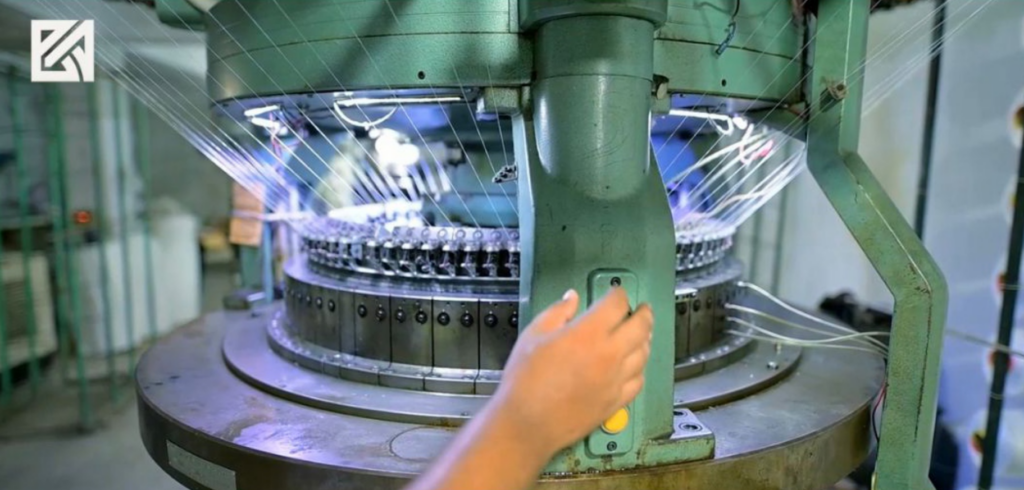
After selecting the thread, the next step is adjusting the tension. This may seem like a minor detail, but it plays a major role in the finished product. Thread tension ensures that the fabric remains smooth and taut during stitching.
If the tension is too tight, the fabric can pucker or gather, while too loose a tension can cause weak stitches that may come undone easily. The ability to adjust thread tension allows the fabric to have uniform, strong stitching that will not only improve the garment’s appearance but also its durability.

Choosing The right color
The color of the fabric sets the tone of the entire garment and communicates the desired style, mood, and cultural significance. Whether you’re opting for vibrant, bold hues or softer, muted tones, each color has its own impact.
Traditional Bashspo wear may call for specific colors associated with cultural or symbolic meaning, while contemporary designs may experiment with new trends and color combinations.
mixing color in machine
Once the right color is selected, the next step is mixing the colors to create the perfect shade or pattern. This process is usually carried out in a dyeing machine, where precision is key.
Whether it’s creating a rich, solid color or a unique gradient effect, the dyeing process requires careful mixing to ensure consistency and even distribution of color throughout the fabric. In some cases, multiple colors are blended together to achieve a more complex design, such as tie-dye effects, ombre, or multi-tonal patterns.


deying The fabric
Dyeing is a critical step in fabric customization, as it is what ultimately transforms the raw material into a colorful, wearable piece of art. During this process, the fabric is submerged in a dye bath or treated with pigment, allowing the color to seep into the fibers.
The fabric absorbs the dye at varying depths depending on the intensity and duration of the dyeing process, resulting in either subtle or bold hues.
heating the fabric
After the fabric is dyed, it’s time to heat-set the color. Heating the fabric helps to lock in the dye, ensuring it stays vibrant and doesn’t wash out over time. This is an essential step in the customization process, as it stabilizes the color and prevents it from fading with frequent use.
The heating process also helps to smooth out any wrinkles or distortions in the fabric, giving it a sleek and even texture.


Exporting the Fabric
Once the fabric has been dyed and heat-set, it is ready for the next phase of production: exporting. Whether the fabric is going to be used in a large-scale manufacturing process or is being sent out for custom tailoring, it must be carefully inspected and prepared.
The fabric is often rolled or folded, and any final quality checks are performed to ensure there are no defects or imperfections.
Final Look
After the fabric is dyed, it’s time to heat-set the color. Heating the fabric helps to lock in the dye, ensuring it stays vibrant and doesn’t wash out over time. This is an essential step in the customization process, as it stabilizes the color and prevents it from fading with frequent use.
The heating process also helps to smooth out any wrinkles or distortions in the fabric, giving it a sleek and even texture.
